
Job-Hunting Interview: What New-Grad Hiring Managers Really Want Isn't Your Motivation—It's "Hou-Ren-Sou" | Web Designer Mr./Ms. I

Hello, this is Y from the staff team.
Once job hunting begins in Japan, many people wonder how to present themselves on their résumé, their ES (entry sheet, a standard written application form used by Japanese companies), and in interviews. What do HR staff and interviewers actually pay attention to? You may be curious about that too.
To help answer these questions, 19Studio has been interviewing people who have reviewed job seekers' entry sheets and served as interviewers.
This time, we spoke with I, who works as a web designer in the web industry. I says they don't put much weight on the stated reason for applying. So what do they care about most?
Contents
I's Career

Web Designer: I
I started their career as a web designer at a web production company right after graduating.
After that, they moved to another web production company and now work as a freelancer.
As a freelancer, I doesn't have many chances to meet job seekers these days, but while working at production companies, they were involved in hiring new graduates.
Why I Doesn't Put Much Weight on the Reason for Applying
Y: Thank you for joining us today. Let's start with the entry sheet.
When you review an ES, what do you focus on?
I: At the document screening stage, I look at whether the applicant has organized what they want to say. I think that's an important skill on the job, too.
Y: Someone who can organize their thoughts and explain them clearly probably does good work, too.
Y: Do you read the ES differently at the document screening stage and at the interview stage?
I: In interviews, I place more weight on the actual conversation than on the ES. Enthusiasm and personality are hard to convey in writing, and you get much more information from talking with someone in the interview.
Y: What do you look for in the "reason for applying" (shibō dōki)?
I: Actually, when I was job hunting as a new graduate, I struggled because I didn't have a real reason for applying. So honestly, I don't put much weight on what the reason says.
Y: Really?
I: Yes. For me, more than the reason itself, I value the positive attitude that comes through in how someone speaks and in their expression. When a candidate clearly shows "I want to join this company!", I want to prioritize hiring them.
Y: That makes sense. As an employer, you naturally think, "I'd like to work with this person!"
Y: A classic ES question is "gakuchika" (what you put the most effort into during your student years). Why do companies ask about it?
I: I think it's to find out whether the person uses their time efficiently. It's also to judge how proactive and sociable they are in what they take on.
Y: So you see how someone thinks and acts through a real episode.
I: Right.
An ID Photo That Shows Motivation and Freshness Is a Plus
Y: Next, let's talk about the ID photo, which is essential for an entry sheet.
Are there hairstyles, makeup, postures, or expressions that make a good impression?
I: For new graduates, the standard look of "neat and clean appearance + suit + smile" makes a good impression. A photo that conveys motivation and freshness is best.
On the other hand, if the expression looks gloomy and the posture is poor, I don't feel eager to interview that person.
Y: Poor posture naturally makes your expression look darker and makes you seem unmotivated.
Y: Does the impression from the ID photo affect whether someone passes or fails?
I: It doesn't have much effect, but I can't say it has no effect at all.
Someone Who Can Do "Hou-Ren-Sou" (Report, Inform, Consult)

Y: Now, what do you pay attention to in interviews?
I: Even if it isn't written in the ES, I look at whether the person can properly say what they want to say.
For new graduates, what matters more than technical skill is whether they and the people around them can work comfortably together. So I want to hire people with common sense who seem likely to build good relationships with senior colleagues.
They don't have to be cheerful, but someone who seems capable of "hou-ren-sou" (reporting, informing, and consulting) is ideal.
Y: I see. "Hou-ren-sou" (reporting, informing, and consulting) is often called the basics of working life in Japan.
Y: What separates people whose evaluations go up from those whose evaluations go down, in both the ES and the interview?
I: In both the ES and the interview, if I notice someone is lying, my impression drops. I also don't like comments that put others down to make oneself look better.
Y: Including being able to say what you want to say even when it isn't in the ES, it sounds like exaggerating your experience or trying too hard to match the mood of the room is not a good idea.
Y: What kind of self-PR stays with you?
I: Candidates who look me in the eye and speak energetically are memorable.
Candidates who honestly tell me they're nervous also leave a good impression.
Y: That honesty seems connected to "hou-ren-sou" (reporting, informing, and consulting), too.
I: Exactly. I really think honesty is important.
Summary
This time, we spoke with I, who works as a designer in the web industry!
More than technical skill, what seems to matter is whether you can communicate what you want to say.
Two comments were especially memorable: "What matters is whether they and the people around them can work comfortably together" and "Someone who seems capable of 'hou-ren-sou' (reporting, informing, and consulting) is ideal."
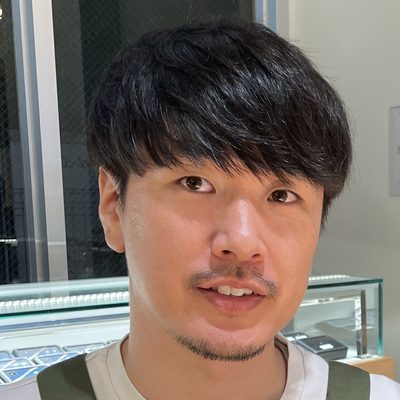
- I have conducted hiring interviews at both listed companies and startups. Drawing on my experience reviewing applications and ID photos as an interviewer, I explain what recruiters really look at in your photo and entry sheet.
Latest posts
 Job-Hunting ID PhotosNovember 9, 2026Resume Photos for Job Changes in Japan: Size, Attire & Where to Shoot
 Job-Hunting TipsFebruary 16, 2023Job-Hunting Interview: What New-Grad Hiring Managers Really Want Isn't Your Motivation—It's "Hou-Ren-Sou" | Web Designer Mr./Ms. I
 Job-Hunting TipsDecember 15, 2022[Job Hunting Interview] Write Your Entry Sheet in Your Own Words, with Logic | Video Editor A